
Playable Ads
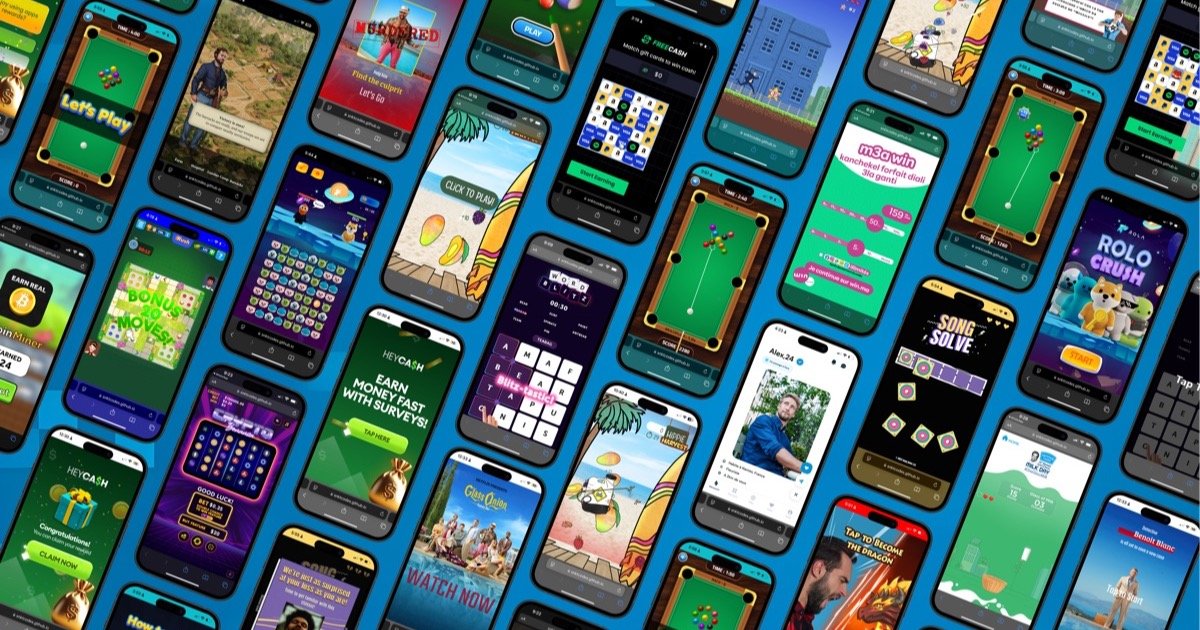
High-converting playable ads: interactive HTML5 mini-games built around hyper-casual and casual game mechanics (merge, crash, runner, puzzle, tower defense) and delivered through the ad networks that matter (Meta, Google, TikTok, AppLovin, Unity Ads, Mintegral, ironSource, Vungle, Moloco). Every playable below shipped to one or more networks under their own build specs: file-size limits, MRAID, autoplay, and end-card rules. It is the same process I follow for every new brief.
Current full-time playable work ships through iion for brands including Xbox Game Pass, Burger King, Shell, and Cricket Australia Big Bash: live showcase at creatives.iion.io. Several more builds are under NDA.
44 shipped builds across 37 projects.
-
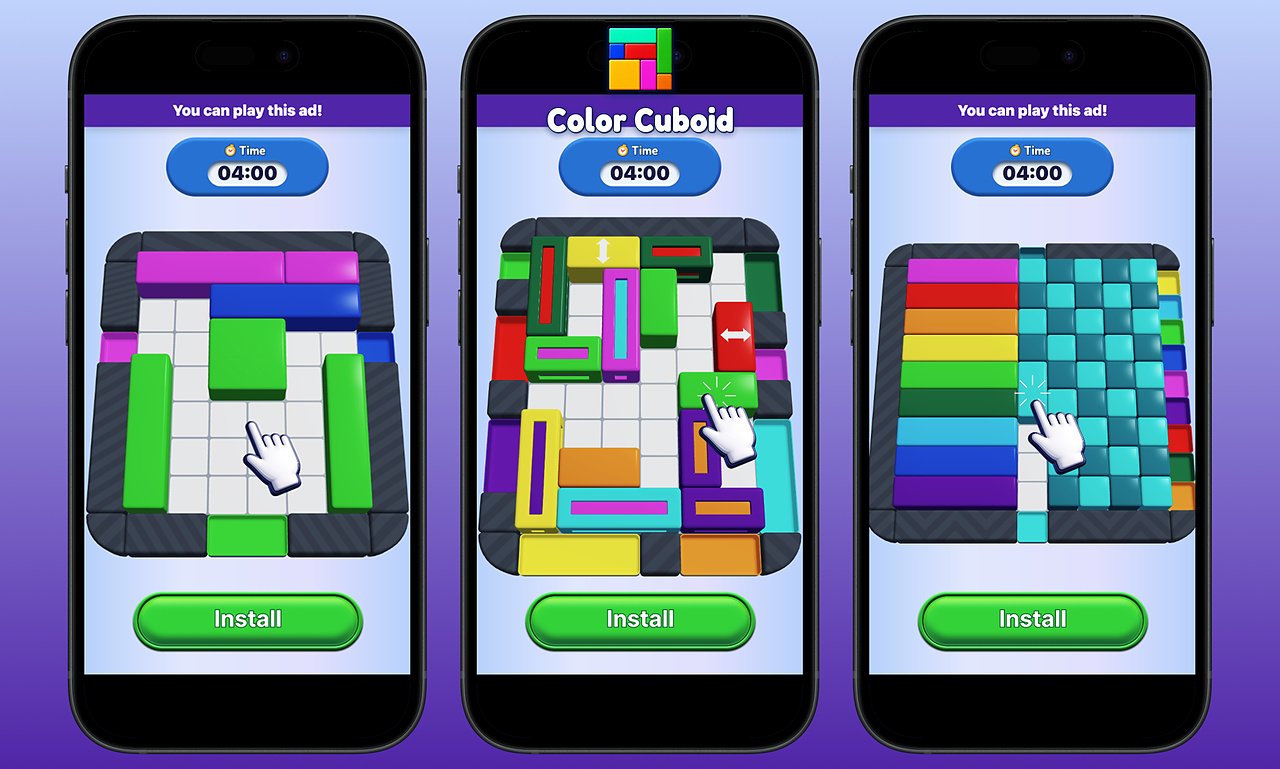
Color Cuboid
3D roll-and-match block puzzle where colored cuboids tumble across a grid and can only escape through an exit gate of their own color that t…
-
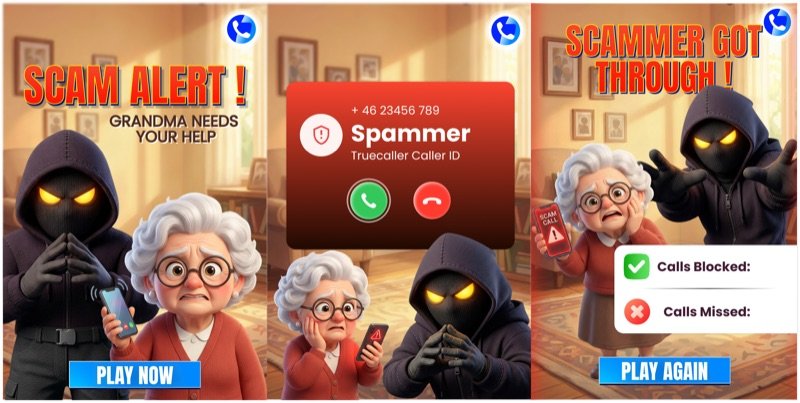
Truecaller – Scam Alert (Grandma Edition)
Story-driven Truecaller playable starring a grandma fending off a 3D-rendered scammer. Players block calls in real time, learn how Truecalle…
-
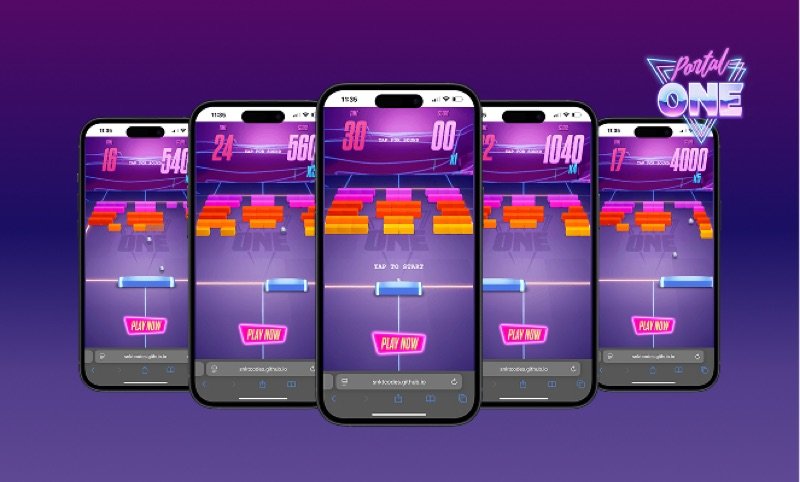
PortalOne – Breakout
Brick-breaker arcade playable for PortalOne featuring paddle-and-ball physics, neon synthwave styling, and score-chase scoring across multip…
-
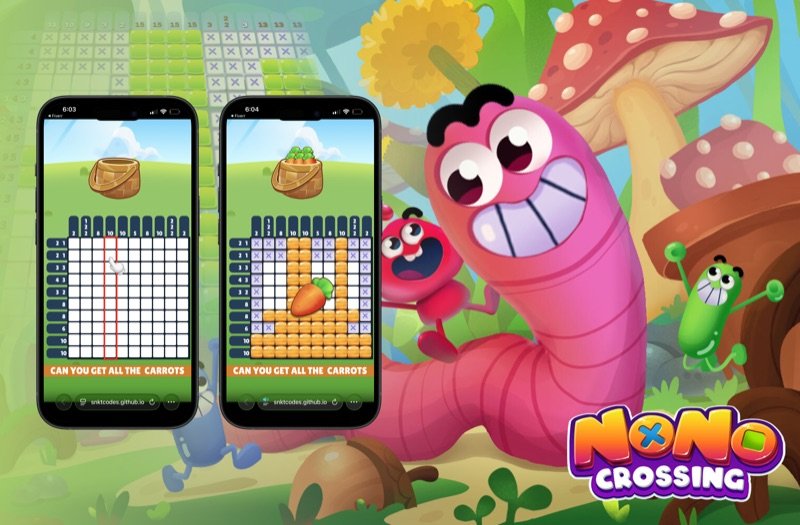
Nonogram Crossing Logic Puzzle
A charming nonogram puzzle playable where players solve logic grids to reveal hidden carrots and collect them in a basket. Colorful visuals …
-
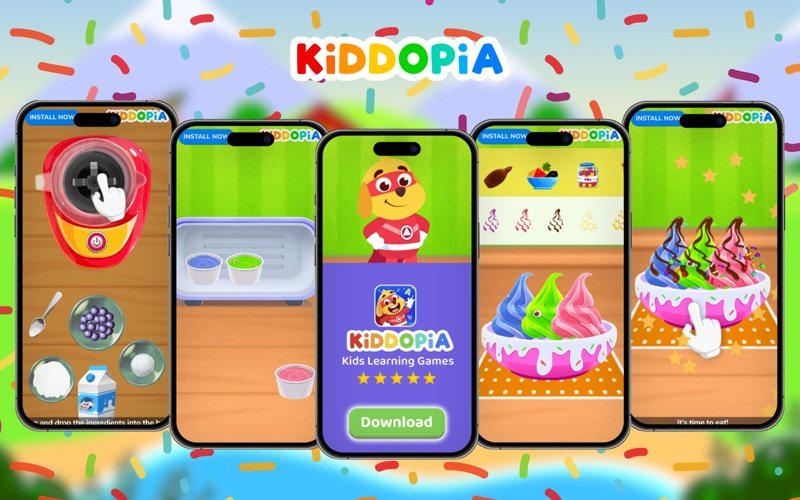
Kiddopia
A kid-friendly ice cream-making playable where preschoolers swirl, decorate, and customize cones, blending creativity with tactile play to s…
-
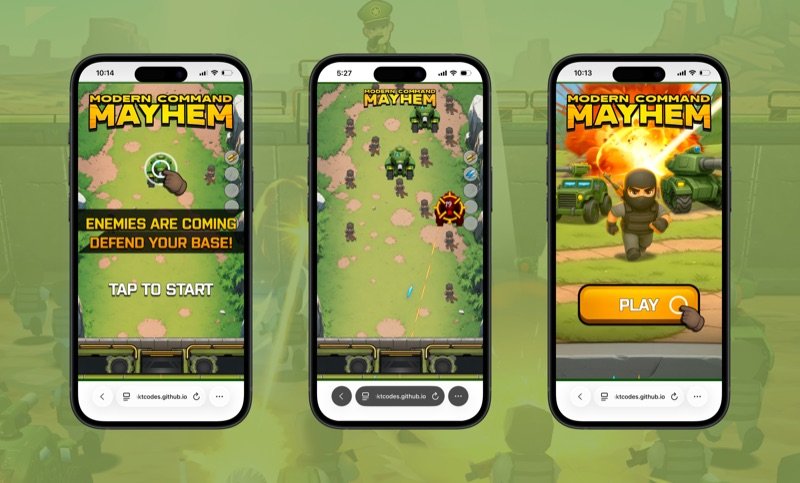
Modern Command Mayhem
A high-action tower defense playable where players must tap to eliminate waves of enemies before they breach the base. Built with Phaser 3, …
-
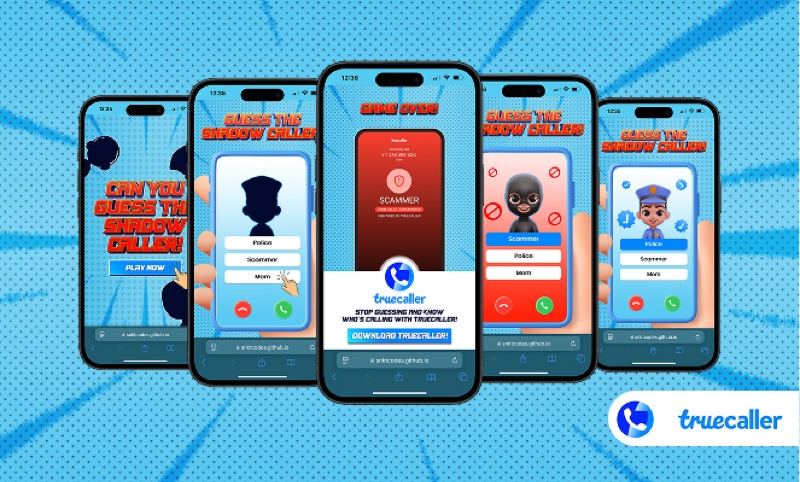
Truecaller – Guess the Shadow Caller
A fast-paced playable ad that helps users spot scam callers through silhouette guessing. Built in Phaser 3 with multilingual support and opt…
-
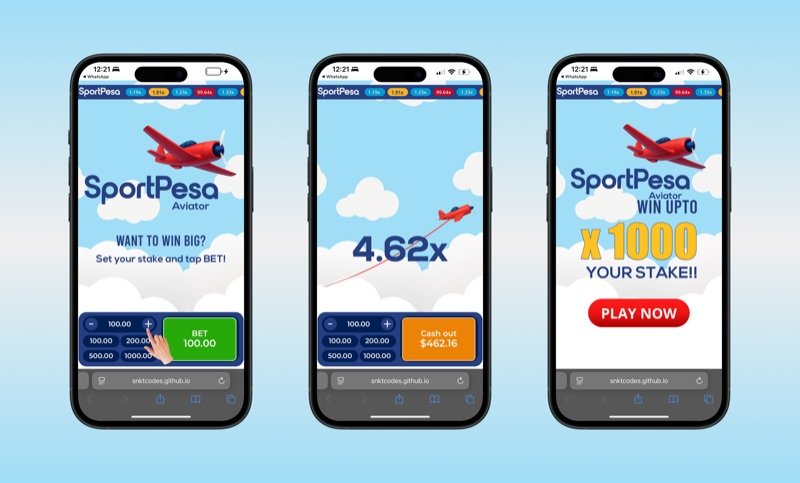
Sportpesa
A high-stakes crash-style playable where users place a bet and watch the multiplier rise—with adrenaline building every second. Players must…
-

Fashion AR – Style & Makeover
An interactive dress-up playable where players help Amanda get ready for a date night by choosing outfits, unlocking fashion boxes, and sele…
-
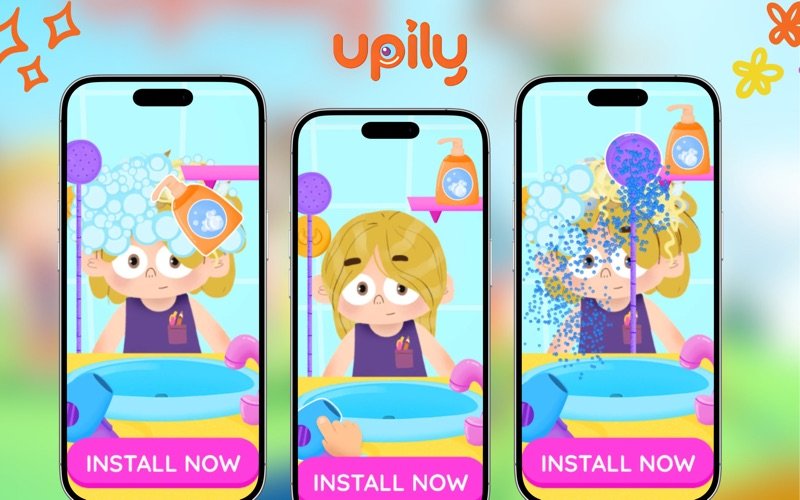
Upily Kids – Hygiene Routine
A fun, interactive hygiene game where kids learn daily self-care by washing hair, cleaning their face, and using soap through playful drag-a…
-
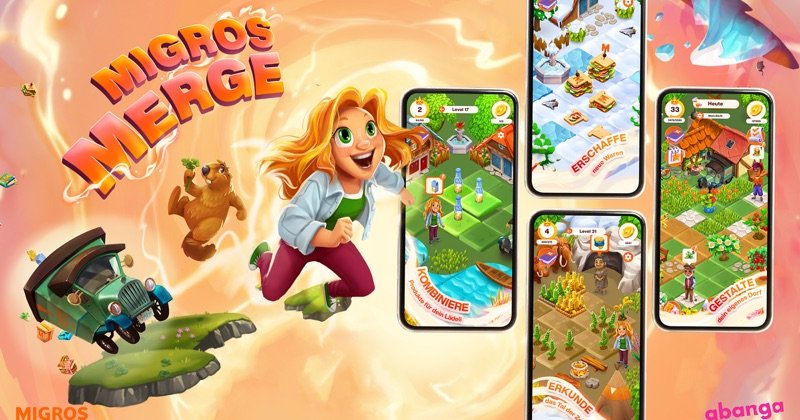
Migros Merge
Dive into the colorful world of Migros Merge – a cozy and rewarding merge adventure where players combine products, unlock new goods, and bu…
-
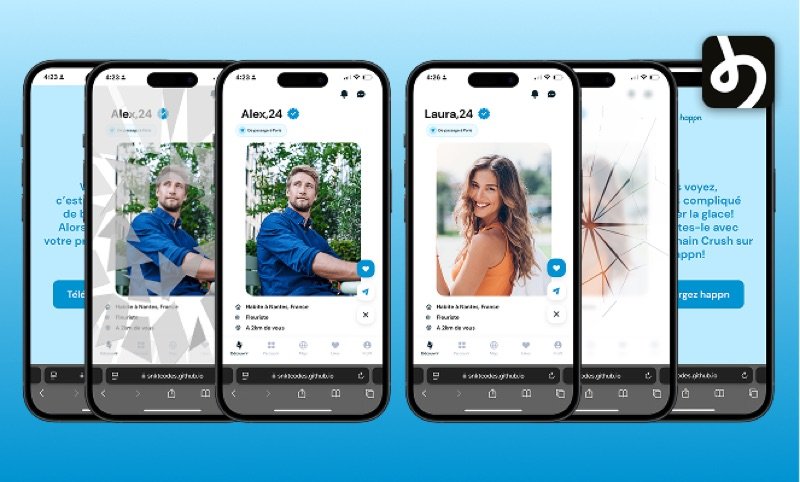
Happn – Crush & Chat
Interactive dating ad where users swipe to break the ice and match with fun personalities. Simulates a real dating journey with playful UI a…
-
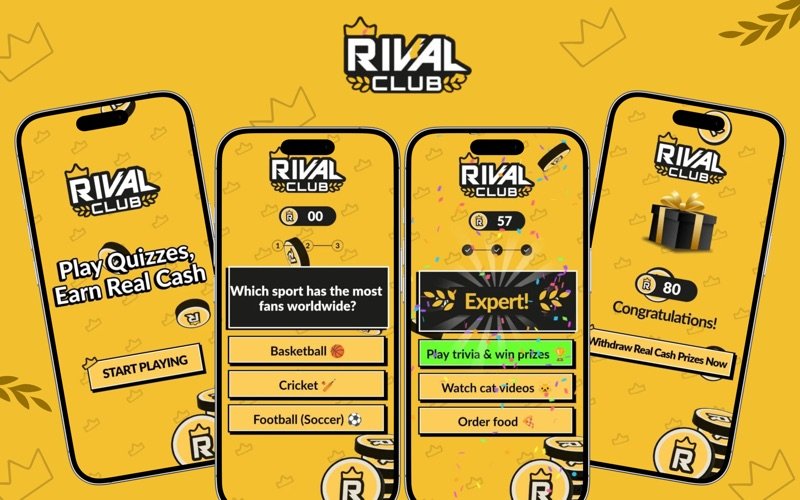
Rival Club – Competitive Trivia
Head-to-head trivia playable where players race the clock to answer questions and outscore their rival. Quick rounds, bold visuals, and a co…
-
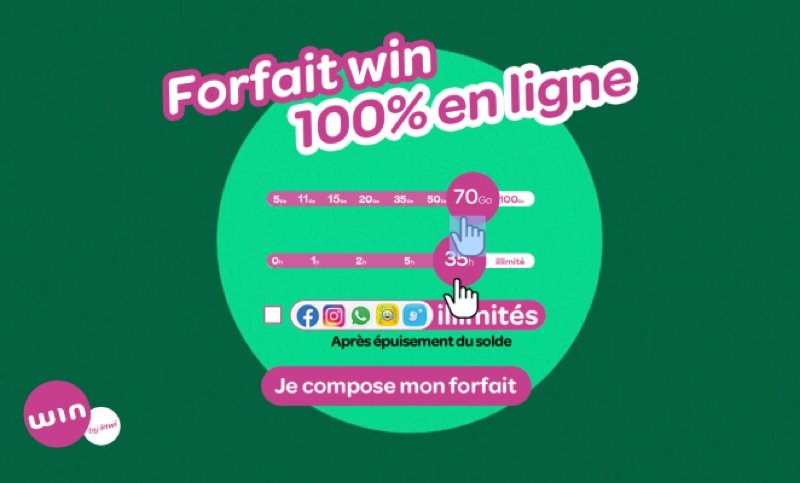
M3Awin – Interactive Trivia
Quick-fire trivia playable where users answer themed questions for a chance to win. Clean UI, instant feedback, and a streamlined question-t…
-
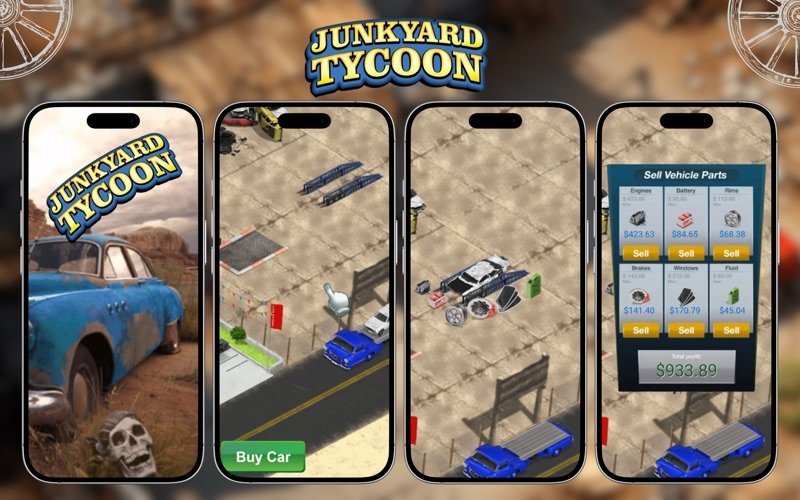
Junkyard – Interactive Car Racing
Fast-paced car racing playable set in a junkyard world. Players steer through obstacles and chase the finish line in a quick, replayable run…
-
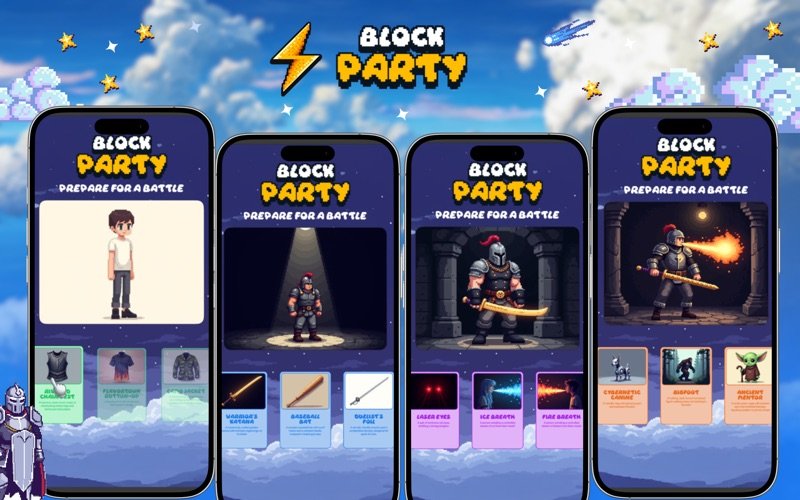
Block Party – Prepare for a Battle
Pixel-art card-battle playable where players gear up a hero with weapons and abilities, then face waves of foes across themed stages. Built …
-
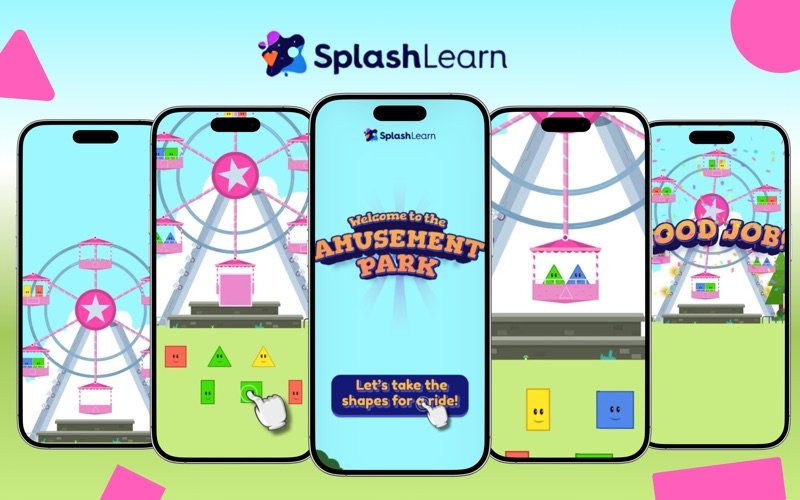
SplashLearn – Shapes Ride
An educational drag-and-drop playable where kids match shapes to their correct cabins on a Ferris wheel. Designed for preschoolers, this eng…
-
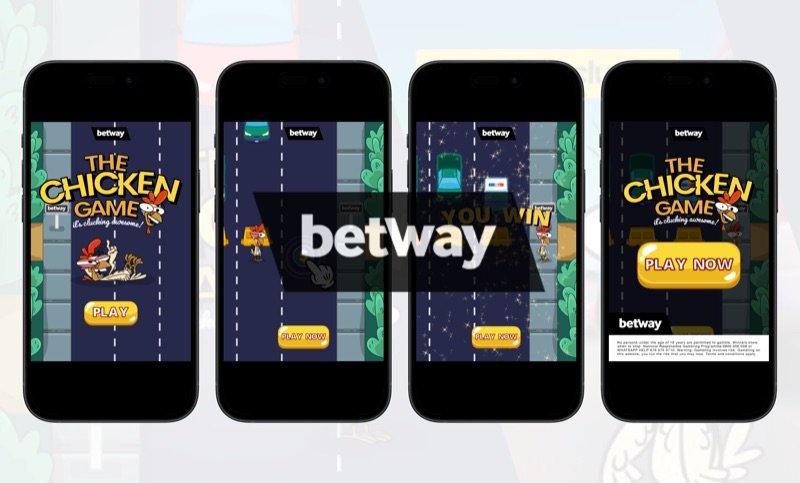
The Chicken Game – Betway Exclusive
Why did the chicken cross the road? To dodge traffic, of course! In this hilarious tap-to-move playable, guide the clucky hero through a hig…
-
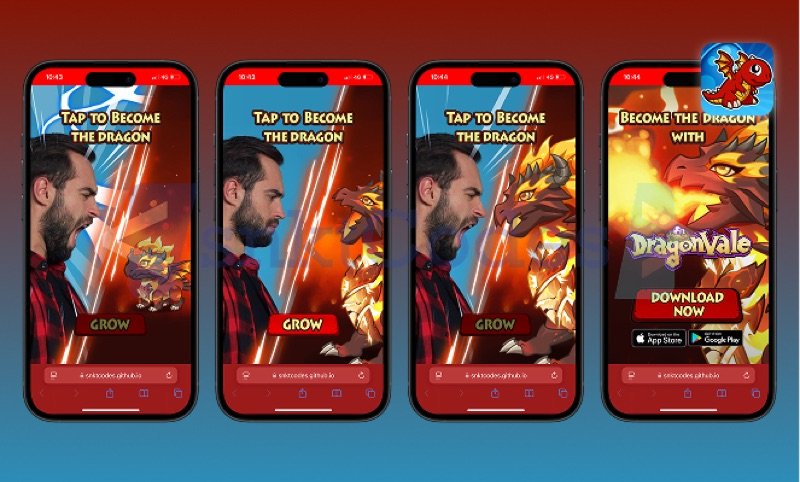
DragonVale – Hatch Your Dragon
Tactile tap-to-hatch experience featuring DragonVale's magical dragons. Watch eggs transform into dragons with beautiful animations and sati…
-
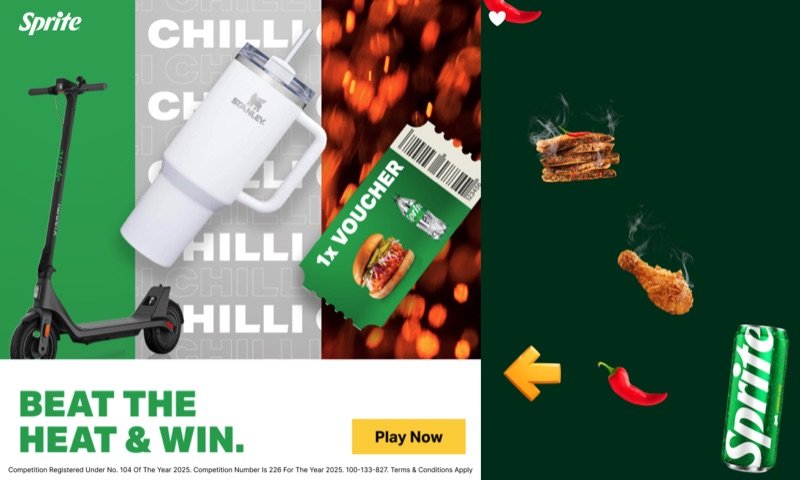
Sprite – Beat the Heat & Win
Sprite-branded reveal playable featuring summer prizes — scooter, voucher, food bundles, and water bottle. Tap-to-uncover format optimised f…
-
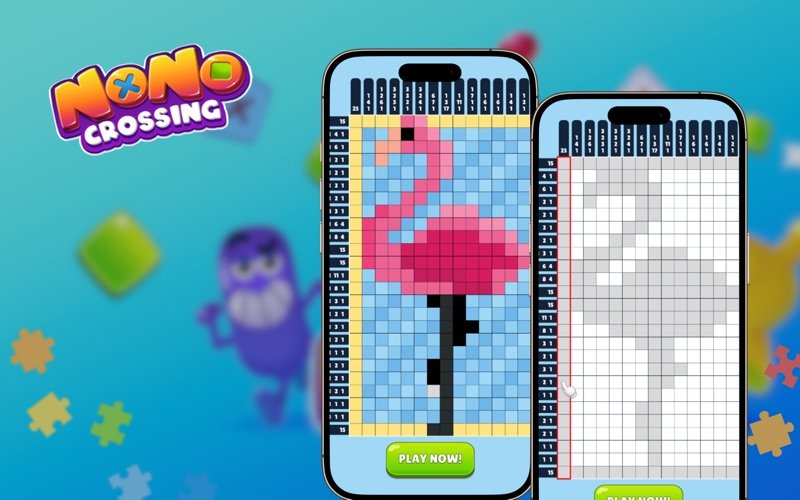
Nono Crossing – 25×15 Edition (Two Desperados)
Expanded 25×15 grid version of the Nonogram Crossing puzzle for Two Desperados. Players solve a denser logic grid to reveal pixel-art images…
-
Kiddopia – Cupcake Decorator
Kid-friendly cupcake decorating playable for Kiddopia featuring tactile creative play for preschoolers.
-
Kiddopia – Little Angel Coloring
Brand-collab coloring playable for Kiddopia × Little Angel, designed for kid-safe creative engagement.
-
Lotum Classic – Minimalist Playable
Minimalist visual-style playable ad for Lotum, focused on classic puzzle mechanics.
-
SkeeBoost Playable
Skee-ball-inspired playable ad with target-tap mechanics and combo scoring.
-
IWC – Jumper
Jump-and-collect playable ad for IWC. Tap-timed obstacle avoidance mechanics.
-
DragonVale – Fight Playable
Combat-focused DragonVale playable ad. Tap-to-attack dragon battle mechanics with brand UI.
-
Ludo Parchís – Playable
Classic Ludo / Parchís board playable ad with tap-to-roll and move mechanics.
-
Glass Onion Playable
Playable demo built around layered-puzzle reveal mechanics. Stylized brand-promotional build.
-
Happn – EU Male Variant
Happn dating-app playable, European market male-facing variant. Swipe-based engagement build.
-
MagicMart Playable
Retail-themed playable ad with shopping cart and select-and-collect mechanics.
-
Wallwise Playable
Brand-promotional playable ad for Wallwise featuring product-discovery interactive mechanics.
-
Altered Game
Interactive playable demo featuring altered-state visual treatment and tap-driven mechanics.
-
Grocery List Playable
Sort-and-list playable mini-game built around grocery shopping mechanics.
-
Healing Garden Playable
Garden-tending interactive playable with planting and growing mechanics. Variant build.
-
Relaxing Playable
Calming-style playable ad with soothing visuals and low-stress interaction loops.
-
Fumb Games – AppLovin Playable
AppLovin-format playable ad for Fumb Games with brand-styled mini-game mechanics.


Build variants and earlier versions (1)
Frequently asked questions
- What is a playable ad?
- A playable ad is a short interactive HTML5 mini-game served inside a standard ad slot, usually 15 to 60 seconds long. Users tap or swipe through a sample of the advertised app or experience before being prompted to install or click through. Playables consistently outperform static and video ads on CTR and install rates in casual gaming verticals.
- What file-size limits apply to playable ads?
- Limits vary by network. Facebook Instant Experience caps at 5 MB total (HTML + assets, inlined or external). Google Ads (UAC) caps at 5 MB. AppLovin allows up to 10 MB. Unity Ads and Vungle generally allow up to 10 MB. Mintegral and IronSource each have their own packaging requirements (zip + manifest format). Designing for the 5 MB tier keeps a single build deployable across networks.
- Which engine should I use for a playable ad: Cocos, Phaser, or PixiJS?
- Cocos Creator is strongest for asset-heavy playables with complex scenes and animation; it has built-in playable ad export plugins for major networks. Phaser 3 is best for fast 2D arcade-style mechanics and has the largest community for tutorials. PixiJS is a lower-level renderer ideal when you need bare-metal control over the canvas and the smallest possible bundle. Three.js applies for 3D playables. The answer depends on the mechanic, not the brand.
- How much does a playable ad cost to build?
- Custom playable ad pricing depends on mechanic complexity, asset volume, number of network variants, and language localizations. Simple one-mechanic builds with provided art sit at the lower end; multi-scene narrative playables with custom 3D and multiple network builds sit higher. Every project is scoped per brief: reach out via the contact page for an estimate.
- What MRAID version do playable ads need to support?
- MRAID 2.0 is the practical baseline; MRAID 3.0 is preferred when available. The relevant events to wire up are mraid.isViewable(), mraid.addEventListener("ready"), mraid.open() for the install click, and resize/expand events for in-feed playables. Most networks abstract this for you via their build templates; raw MRAID handling matters mostly when shipping to programmatic exchanges directly.
Briefing a playable ad?
I build end-to-end (concept → playable → network-ready bundle). Happy to walk through specs, file-size budgets, and engine choice on a 20-minute call.