
3D HTML5 Games
Immersive 3D web games and WebGL games built with Three.js, running right in the browser with no plugins. Performance-tuned for mobile GPUs and tight ad-slot budgets, so a 3D browser game still loads fast and holds framerate on a mid-range phone.
2 projects shipped.
-
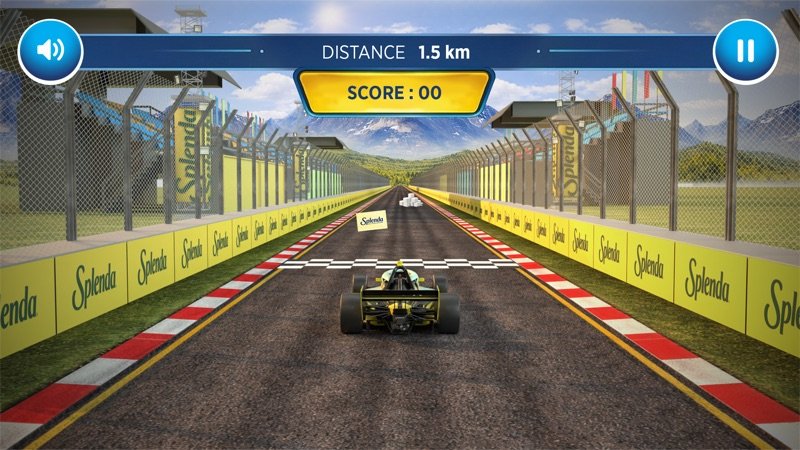
Splenda Game
Branded interactive racing experience for Splenda. Steer, collect, and dodge through a sweetener-themed track in a quick-session arcade form…
-
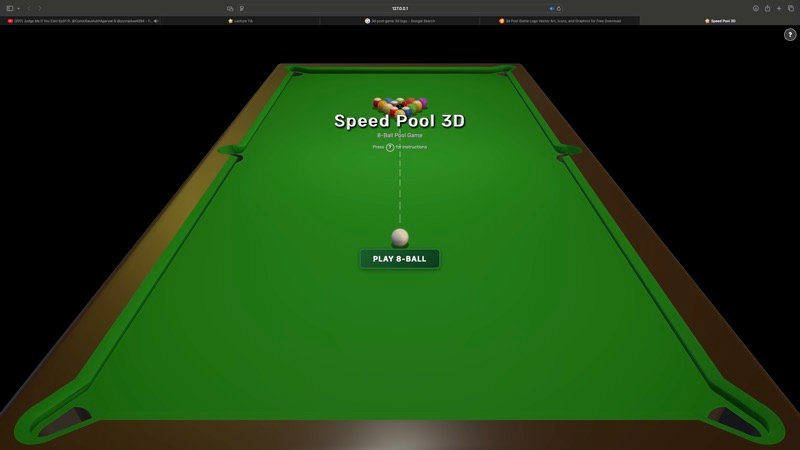
Speed Pool
A fast-paced 3D pool game with realistic physics and dynamic gameplay. Aim, cue, and sink balls in this exciting twist on the classic game w…


Frequently asked questions
- Can 3D games run in a browser without plugins?
- Yes. WebGL (and WebGL 2.0) ships in every modern browser and gives access to GPU-accelerated 3D rendering. Three.js wraps WebGL with a higher-level scene/camera/material API; Babylon.js is the major alternative. WebGPU is rolling out for next-generation performance but Three.js + WebGL remains the dominant production choice in 2026.
- Three.js vs Babylon.js: which should I pick?
- Three.js wins on community size, ecosystem (loaders, post-processing libraries, glTF support), and smaller bundle. Babylon.js wins on out-of-the-box features (physics, GUI system, scene editor) and Microsoft-backed stability for enterprise use. For ad-slot or web-game delivery where bundle size matters, Three.js is usually the right call.
- How do you keep 3D HTML5 games performant on mobile?
- Target 30fps on mid-tier devices, not 60. Use compressed textures (Basis Universal / KTX2), keep draw calls under 100, prefer baked lighting over real-time, use instanced meshes for repeated geometry, and aggressively cull off-camera objects. The bottleneck on mobile is usually fill-rate, not polygon count, so lowering screen resolution by 1.5 to 2x is often invisible to users and doubles framerate.
Briefing a 3D HTML5 game?
I build end-to-end (concept → playable → network-ready bundle). Happy to walk through specs, file-size budgets, and engine choice on a 20-minute call.